
DR Dominoes Best Opening Doubles & Early Plans
All Fives openings that score without stranding your hand.
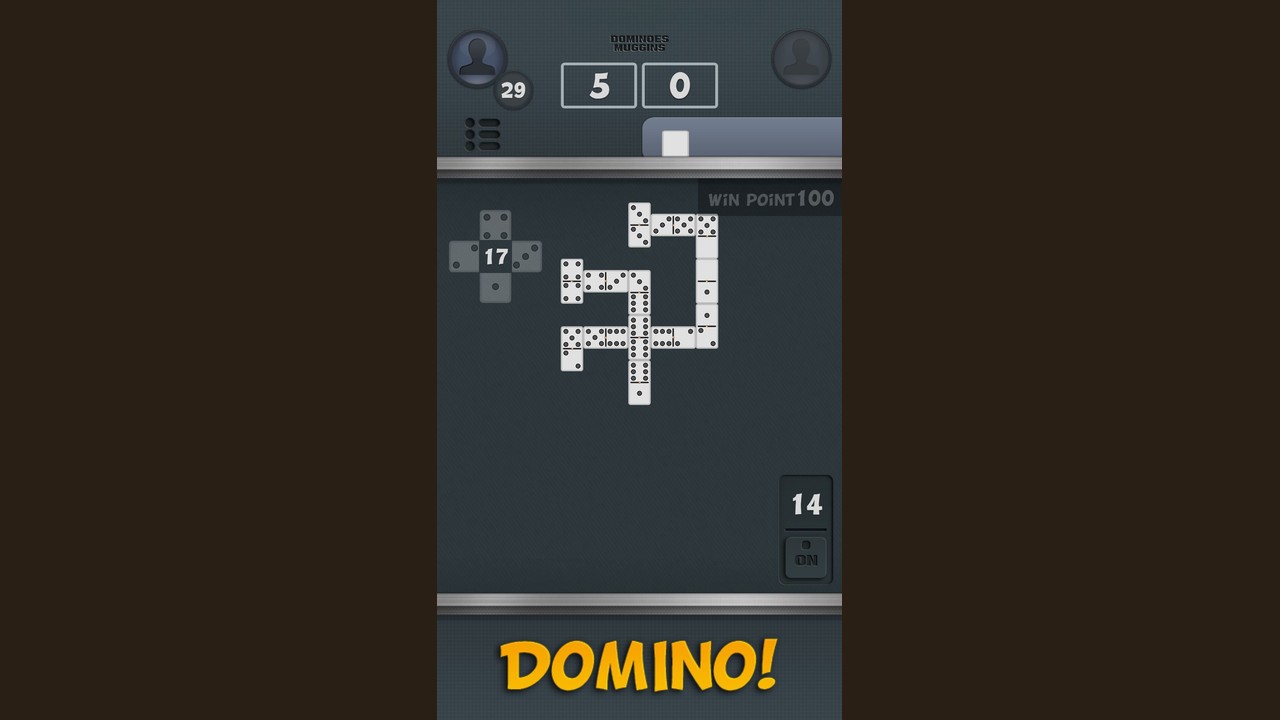
The first few plays in DR Dominoes decide whether you hunt points or scramble for legal moves. This page ranks opening doubles and early plans for Muggins / All Fives on the free Android and iOS app from SUD Inc. The set is always the classic double-six pack of 28 tiles. The same openings help in All Threes and Fives and Threes, but the paying totals differ. You can drill every line offline, then take them online once the muscle memory sticks.
For the broader ranking framework, return to the Tier List Hub. For full rules context, see Muggins / All Fives. For mid- and late-hand thinking, pair this with strategy and tile priority.
What a good opening actually does
A strong opening in All Fives is not “highest double always.” It is a play that:
- Establishes a legal layout you can continue from your hand.
- Leaves open ends you can push toward multiples of five.
- Protects suit density so you are not stuck drawing from the boneyard on turn two.
- Avoids gifting an obvious 10 or 15 to the opponent on the reply.
Score when it is clean. Setup when the hand is awkward. Both are winning habits.
Opening doubles tier (All Fives)
| Rank | Opening idea | Why it earns the tier |
|---|---|---|
| S | High double you can support with 2+ matching suits | Immediate structure; often counts both sides of the double while exposed |
| A | Mid double with dense connectors (3s/4s/5s) | Flexible branches; easier to manufacture 5/10/15 |
| B | Lone high double with thin support | Can score now, but risks stranding a six-heavy hand |
| C | Forced low double with no plan | Legal but passive; often cedes initiative |
When house rules (or the app flow) ask for the highest double to start, play it—but immediately plan the second and third tiles. The opening double is only the first sentence of the hand.
Early plan templates
Plan A — Score-first (balanced hand)
Use this when you hold a supported high double and at least one clear path to a multiple of five.
- Lead the supported double.
- On your next turn, prefer a play that keeps two open ends you can still touch.
- Sum ends after every placement—blanks count as zero and can create or destroy a score.
- If a 10 or 15 is available without emptying a suit, take it.
This plan shines online when opponents punish slow builds.
Plan B — Flexibility-first (awkward hand)
Use this when your doubles are unsupported or your pips are clumped in one suit.
- Open as required, then spend early turns unclogging duplicate awkward tiles.
- Keep at least one soft exit (often a blank or low pip) for later.
- Decline a flashy count that opens a devastating reply if you cannot follow up.
- Draw from the boneyard only when forced; treat each draw as a suit-count update.
Offline practice is perfect for Plan B—pause, recount suits, and replay the same deal mentally.
Plan C — Block-aware (short race)
When hands are small and the boneyard is thinning, openings shift toward control:
- Prefer ends that your opponent is unlikely to hold.
- Dump high orphans before the board locks.
- Remember end-of-hand pip scoring still matters even if mid-hand scoring was quiet.
Counting the first three plays
Many beginners miss points on the opening sequence. After each tile:
- Identify every open end (including both halves of an exposed double until it is properly developed).
- Add the pips.
- If the sum is a multiple of 5 in All Fives, that play scores that amount.
- In All Threes, look for multiples of 3. In Fives and Threes, either family pays.
Worked examples and tables live on the score helper. Use it until summing ends feels automatic.
Common opening mistakes
- Stranding the sixes: Playing into a six end when your only sixes are gone.
- Auto-playing blanks: A blank can turn a live 10 into a dead 5—or vice versa.
- Ignoring suit counts: Opening with a double you cannot follow forces early draws.
- Over-scoring: Taking 10 now that leaves a trivial 15 for the opponent is often a net loss.
- Forgetting the variant: Chasing fives while you are actually in All Threes wastes tempo.
Drill routine (10 minutes offline)
- Launch offline singleplayer in DR Dominoes.
- Play five hands of All Fives focusing only on openings—write down your first three tiles.
- Replay one hand asking: “Could I have kept an extra suit alive?”
- Switch to All Threes for two hands to feel the different paying counts.
- Finish with one Fives and Threes hand to practice dual multiples.
Then queue online and keep the same discipline under pace pressure.
Linking openings to the rest of the wiki
- Rank hold/dump decisions on Tile Priority.
- Study longer patterns in the strategy guide.
- Confirm variant rules in Muggins / All Fives.
- Compare session types on the Modes Hub and online multiplayer guide.
DR Dominoes stays approachable because the rules are classic, but openings separate casual tappers from consistent scorers. Treat the first double as a plan, not a trophy, and your early game on Android and iOS will stop leaking points.
Quick reference checklist
Before you confirm the opening tile, ask:
- Do I have follow-ups in this suit?
- What will the open ends sum to after this play?
- Am I creating a free multiple for the opponent?
- Is this the right variant’s multiple (5, 3, or either)?
- Would dumping a clog tile first help more than grabbing a small score?
If three of those answers feel wrong, choose the quieter setup play. Strong openings in this free+ads SUD Inc. title are patient more often than they are flashy.
Frequently Asked Questions
Quick answers to the most common questions.
Should I always open with the highest double?
Follow the deal and the app’s start rules when they require a high double. After that, prioritize support and counting over raw pip size.
What is the best opening for All Fives beginners?
A supported mid-to-high double you can follow for two turns, plus a habit of summing open ends after every play.
Do openings change in All Threes?
Structure stays similar, but you aim for multiples of three instead of five. Flexibility and suit density still dominate early decisions.
Should I practice openings offline or online?
Drill offline so you can pause and recount, then take the same plans online once they feel automatic.
Where can I check if an opening scored?
Sum all open ends; in All Fives a multiple of five scores that amount. Use the score helper tables for quick confirmation.