
DR Dominoes Online Multiplayer Guide
Queues, timers, etiquette, and calm responses when matches go sideways.
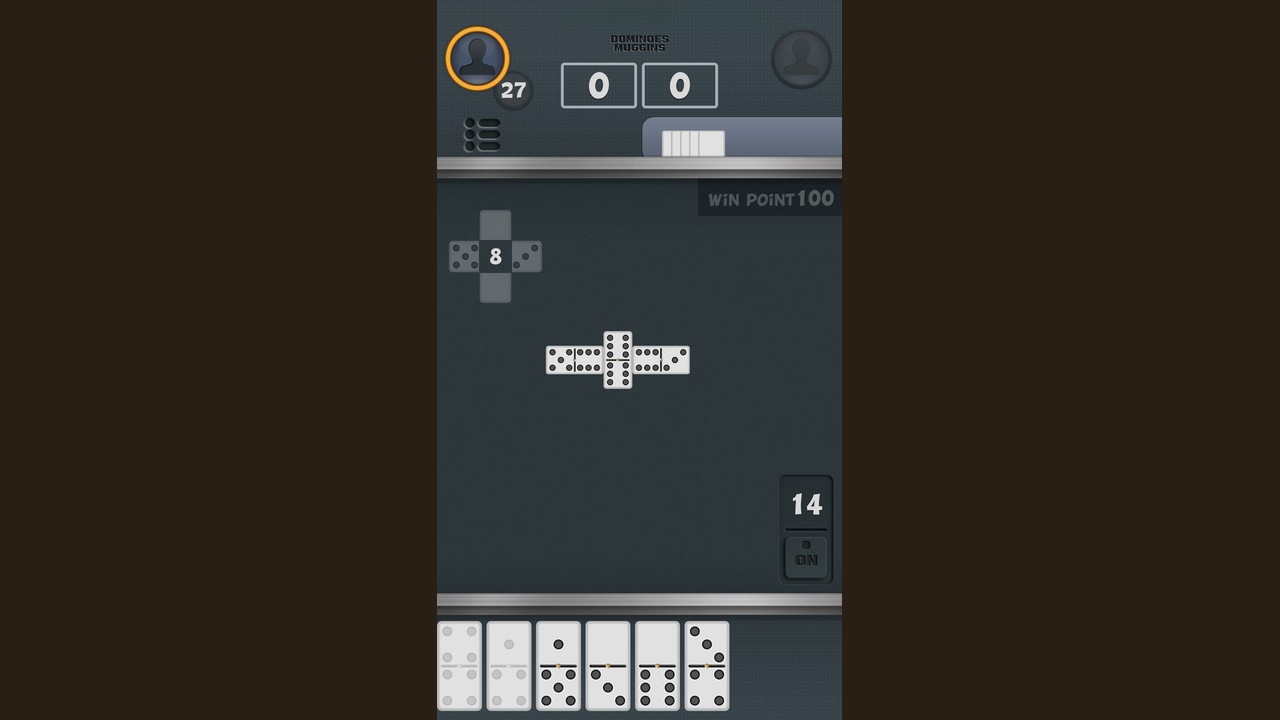
DR Dominoes supports online matchmaking alongside offline singleplayer. Online is the right place to test speed and denial under pressure—but only after rules feel automatic. If you still miscount open ends, stay offline with Getting Started, How to Play Dominoes, and Muggins / All Fives until the math is boring. This page covers timers, waits, etiquette, disconnects, and practical responses when a match feels unfair.
What to expect from matchmaking
You select a mode, join a queue, and wait for an opponent. Population varies by time of day, platform, and mode. Players commonly report long waits in some queues. That is frustrating, not mysterious: a free Dominoes app with multiple variants splits attention across rule sets and regions. Practical approaches:
- Queue when you have flexible time, not during a two-minute break
- Try peak evening hours in your region if daytime queues stall
- Keep offline boards ready so a long wait is not dead time
- Avoid rage-requeue loops that burn attention before the first tile
Android and iOS populations may not always feel identical, and update cadence differs—Android has seen newer builds such as 1.28 (Jul 2025) while iOS has often lagged around older versions like 1.25. If friends cannot party across stores, compare versions and features before blaming matchmaking alone.
Turn timers and pace
Online turns are timed. The timer exists so one player cannot stall forever. Good habits:
- Pre-scan open ends when the opponent is thinking
- Decide your top two candidate tiles before your clock starts whenever possible
- Confirm the arm you are hitting—mis-taps look like cheating to others even when accidental (Controls)
- Do not weaponize the clock; playing fast is fine, hovering until the last second every turn is poor etiquette
If you consistently time out, you are not “unlucky”—you need more offline reps on Scoring and Spinners and Strategy.
Etiquette that keeps tables pleasant
- Play the mode that was queued; do not argue kitchen-table house rules mid-hand
- Accept legal scores you dislike; recount arms quietly if surprised
- Avoid chat toxicity if the client offers messages; mute when needed
- Finish hands you started unless the app provides a clear resign path
- Remember ads are part of a free client from SUD Inc. / Studio UpDown—annoying, not a personal attack
For opponent-facing notes and related roster-style pages on this wiki, see the Players Hub. For patch notes that might change menus or queue behavior, see the Updates Hub.
Disconnects and reconnects
Mobile networks drop. If you disconnect:
- Relaunch quickly and look for a reconnect or forfeit result
- Switch from flaky public Wi-Fi to stable data if needed
- Avoid multitasking heavy downloads during ranked-feeling sessions
- Do not assume the opponent “rigged” a drop—symmetric network pain is common
If the opponent vanishes, wait out the timer or app resolution instead of spamming requeues. Note the result screen so you understand whether the hand was voided, awarded, or canceled.
When matches feel unfair or “off”
Some players report cheaters or impossible-feeling plays. Stay practical, not alarmist:
- First recount open ends and spinner arms; UI compression causes false alarms
- Confirm you are in the variant you think you are (All Fives vs All Threes vs Fives and Threes)
- Screenshot odd settlements if you plan to report through store or developer channels
- Take a break after a suspicious hand—tilted play loses the next three anyway
- Prefer short sessions so one bad table does not define the night
Most “impossible” boards are miscounted arms or mixed moduli. Genuine abuse deserves reporting through official channels, not wiki drama. Keep expectations calibrated for a free online Dominoes client with ads (com.ansangha.drdominoes on Android).
Mode choice online
Queue the variant you practiced:
- All Fives / Muggins for the common five-multiple fight
- All Threes for denser mod-3 scoring
- Fives and Threes only after both moduli feel natural
Switching modes every queue resets your pattern recognition and increases misplays under timer pressure.
Warm-up routine before queuing
- One offline hand narrating open-end sums
- One offline hand focused on denial leaves
- Quick glance at your controls (zoom, confirm, menus)
- Queue with a time box (“two matches, then stop”)
Warm-ups cut the first-turn brain freeze that wastes timers.
Strategy differences vs AI
Humans punish obvious gifts faster than weak AI. Online, prioritize:
- Safer leaves over greedy marginal scores
- Tile counting light enough to finish before the clock
- Blank discipline
- Fewer speculative spinner openings when you are stiff in that suit
Use the Tier List Hub as a priority checklist, not a script. Opponents read patterns too.
Mental framing for waits and ads
Long queues and ads are friction layers around the Dominoes. Plan for them: headphones, water, a secondary offline puzzle, a hard stop time. Players who treat friction as betrayal play worse. Players who budget for friction keep clearer heads for end control.
Queues and fair play (deeper page)
For a dedicated pass on queue expectations, long-wait coping tips, fair-play etiquette, and how to contact support when a table feels wrong, read Matchmaking Queues and Fair Play. Use that page when you need report checklists (platform, version, mode, variant) rather than repeating every etiquette note here.
After the match
Ask one review question only: “What leave gifted points?” Log that single note. Then either requeue within your time box or stop. Checking the Updates Hub weekly is enough unless a fresh patch just landed.
Online DR Dominoes is best as a speed classroom for skills you built offline. Keep the classroom sessions short, the counting honest, and the reactions proportional—and the queues feel less personal even when they run long.
Frequently Asked Questions
Quick answers to the most common questions.
Why is matchmaking sometimes slow in DR Dominoes?
Player pools split across modes, platforms, and times of day. Queue when you can wait, and practice offline during long searches.
What should I do if I keep timing out?
Practice open-end math offline until it is instant, pre-scan during the opponent’s turn, and confirm taps with solid control habits.
How should I handle suspected cheating?
Recount arms and confirm the mode first. Screenshot odd results, report through official channels if needed, then take a break.
Should beginners start online?
No. Learn All Fives offline first, then bring timers into short online sessions.
Where are opponent and update notes on this wiki?
See the Players Hub for opponent-facing pages and the Updates Hub for patch-oriented notes.
Where should I go for matchmaking waits and fair-play depth?
Use the Matchmaking Queues and Fair Play page under Modes for queue expectations, warm-up tips, etiquette, and support reporting.