
DR Dominoes All Fives vs All Threes vs Fives and Threes
A clear chooser for DR Dominoes scoring modes—and which one to learn first.
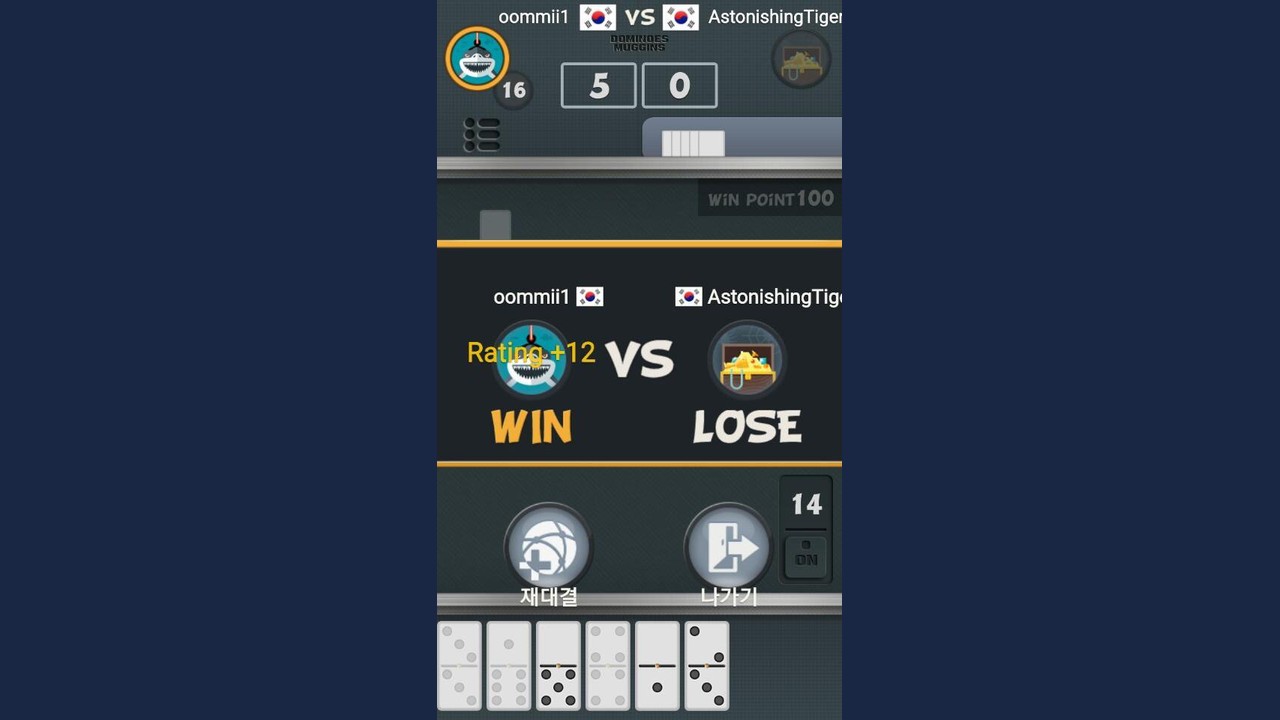
DR Dominoes by SUD Inc. / Studio UpDown is a free Android and iOS Dominoes client with ads, built around a 28-tile double-six set and three point-scoring variants you will see again and again: Muggins / All Fives, All Threes, and Fives and Threes. Matching rules stay familiar—play equal ends, draw from the boneyard when stuck, chase a clean go-out—but the scoring trigger after each play changes how greed, denial, and “safe” leaves feel. This page is the chooser: when to play each mode, how the triggers differ, and a practical path from beginner to flexible specialist. Deep rules live on the dedicated guides for Muggins / All Fives, All Threes, and Fives and Threes. New installs should still begin with Getting Started.
Shared foundation (all three modes)
Before the differences, lock the commons:
- Same double-six deck (28 tiles)
- Same need to match open ends
- Same spinner / multi-arm awareness when doubles branch the layout
- Same online + offline availability in the app
- Same end-of-hand pressure from leftover pips (confirm the exact settlement line in-app)
If you cannot yet match ends smoothly, stop here and finish Getting Started plus the core how-to-play flow. Variant choice will not save a confused board read. Android 1.28 (July 2025) and older iOS builds (~1.25) may differ in polish, but the three-mode family is the product identity either way.
Trigger cheat sheet
After a legal play, add the open ends (every live tip, including spinner arms):
| Mode | You score when the open-end sum is… | Typical mid-hand totals |
|---|---|---|
| All Fives (Muggins) | Divisible by 5 | 5, 10, 15, 20… |
| All Threes | Divisible by 3 | 3, 6, 9, 12, 15, 18… |
| Fives and Threes | Divisible by 3 or 5 | Union of both lists (watch overlaps like 15) |
If the sum misses the trigger, the play scores 0 even when the tile felt strong. That single sentence explains most beginner frustration—and why mode choice changes personality so fast.
All Fives (Muggins): the default classroom
Best for: first-week learning, clearest “did I score?” feedback, most teaching content, transferring denial habits later.
All Fives trains you to hunt a short list of targets. Boards feel quieter than All Threes because fewer random sums qualify. That quiet is a gift: you can practice counting ends, blank tips, and spinner arms without drowning in constant micro-scores. Denial also teaches cleanly—leaving a 7 or 8 is often “safe,” while leaving a 10 is a neon invitation.
Play All Fives when:
- You are new to DR Dominoes or returning after a break
- You want offline drills that map cleanly to strategy articles
- You are warming up before an online session
- You care more about reading leaves than maximizing scoring density
Read the full rules and examples on Muggins / All Fives. Treat this mode as your home court until open-end arithmetic is instant.
All Threes: denser scoring, stricter leaves
Best for: players bored of sparse Fives boards who want more mid-hand points and tighter defense.
Multiples of three appear constantly on small double-six layouts. Hands swing faster; “safe” leaves from All Fives stop being safe; blank and low-tip control matter even more because more totals cash. Players who only memorized Fives patterns often mis-score or gift points for several sessions after switching.
Play All Threes when:
- You already sum All Fives boards without finger counting
- You want more scoring events per hand for practice volume
- You like defensive puzzles where almost every leave is live
- You are rotating modes so you do not overfit one modulus
Use the dedicated All Threes guide for worked examples and spinner notes. Mentally replace “multiple of 5?” with “multiple of 3?” every single turn—do not autopilot old Fives habits.
Fives and Threes: maximum alertness
Best for: experienced players who want the richest scoring surface and the harshest denial test.
Here a board scores if it hits either family of multiples. Overlaps (notably 15) still score once as the sum—you do not double-dip the same total—but the set of dangerous leaves explodes. Greedy grabs that would be fine in All Fives can hand the opponent an instant 6 or 9 that Fives-only instincts ignore.
Play Fives and Threes when:
- All Fives and All Threes both feel readable
- You want online matches that punish soft leaves hardest
- You enjoy high-attention sessions (not distracted commute autopilot)
- You are stress-testing counting and denial together
Study Fives and Threes before queueing this mode seriously. If you still hesitate on which arms count, stay in All Fives another week.
Side-by-side decision guide
Choose All Fives if your goal is mastery fundamentals.
Choose All Threes if your goal is denser scoring reps and tougher “safe leave” intuition.
Choose Fives and Threes if your goal is maximum pressure and you already respect both moduli.
Also weigh session context:
- Short session / rusty: All Fives
- Long offline lab: rotate Fives → Threes → combined
- Serious online grind: pick one mode for a block of matches so pattern memory sticks, then rotate tomorrow
- Teaching a friend: All Fives only until they can explain a 10 vs a 9 leave
Beginner recommendation: start All Fives
The wiki’s consistent advice—and the practical path inside DR Dominoes—is simple: start with All Fives. Reasons that hold up at the table:
- Fewer qualifying sums → clearer feedback loops
- Denial concepts transfer upward to denser modes
- Most strategy writeups and examples assume five-multiples first
- You can verify arithmetic quickly under mobile timers
- Switching later is easy; starting on combined mode often creates lasting miscounts
Follow Getting Started for install, first matches, and day-one goals, then live in All Fives until scoring highlights stop surprising you.
Practice path (two weeks)
Week 1 — All Fives home court
- Offline: five hands focused only on correct open-end sums
- Offline: five hands focused on denial (skip a small score that leaves a 10)
- Light online: accept slower play; accuracy over hero lines
- Read Muggins / All Fives once, then replay examples on the board
Week 2 — Expand deliberately
- Two offline All Threes hands with forced verbal sums every turn
- Two offline Fives and Threes hands where you label why a sum scored (3-path, 5-path, or both families)
- Return to All Fives online as your “rated” comfort mode
- Keep a note of leaves that felt safe in Fives but scored in Threes
Optional advanced block: one session per mode back-to-back without changing seats, just to feel the personality shift. Stop if fatigue causes arm miscounts—tired counting teaches bad habits.
Strategy shifts without rewriting your whole brain
You do not need three unrelated strategies. Keep one loop:
- Can I hit a trigger now?
- What leave do I create?
- Do I still answer the ends I exposed?
Only the trigger filter changes. Counting suits, blank discipline, and spinner caution remain. When in doubt, the safer leave beats the flashy orphan score—especially in Fives and Threes where orphan scores for them appear constantly.
Practical app notes
Menu labels may say Muggins, All Fives, All Threes, or Fives and Threes depending on build language and platform. Look for the modulus behavior, not the poetry of the name. Free-with-ads means uninterrupted focus comes in bursts—pause after ads if your end-sum discipline slips. Online and offline both offer the same variant family, so treat offline as the lab and online as the exam.
Quick chooser summary
- Learning or warming up? Muggins / All Fives
- Want denser scoring? All Threes
- Want maximum live totals? Fives and Threes
- Brand new to the app? Getting Started
Pick the mode that matches today’s goal, not the mode that sounds fanciest. In DR Dominoes, flexibility across All Fives, All Threes, and Fives and Threes is a skill—but it is a skill you earn by mastering one clean trigger first. Start with fives, add threes, then combine. Your leave quality will thank you.
Frequently Asked Questions
Quick answers to the most common questions.
Which DR Dominoes variant should beginners play first?
Start with All Fives (Muggins). Learn open ends divisible by 5 before moving to All Threes or Fives and Threes.
What is the scoring difference between All Fives and All Threes?
All Fives scores when open ends sum to a multiple of 5; All Threes scores on multiples of 3.
When does Fives and Threes award points?
When the open-end sum is divisible by 3 or by 5. More totals are live, so denial must be stricter.
Do all three modes use the same tiles?
Yes. All use the standard 28-tile double-six set in DR Dominoes; only the scoring trigger changes.
Can I practice variants offline before playing online?
Yes. Use offline hands as a lab for each mode, then take one comfortable mode into online queues.